By Kellie Moss, Tammy Ayres, Vijaya Teelock and Joel Valerie | September 2026
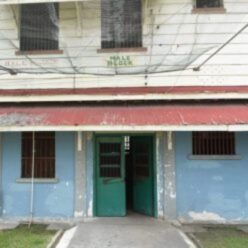
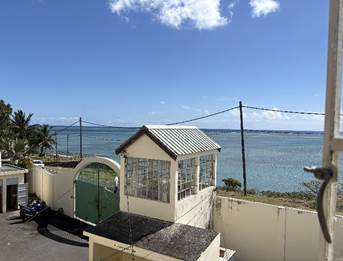
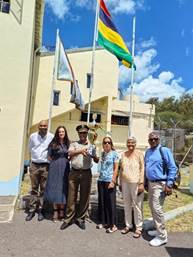
In September 2026, researchers from the Prisons, Drugs and Mental Health (PDMH) programme travelled to Rodrigues Island, an autonomous outer island of the Republic of Mauritius, to explore the complex relationships between imprisonment, mental health, rehabilitation and wellbeing. Accompanied by colleagues from the Mauritius Prison Service (MPS), the visit provided an opportunity to engage directly with prison staff, detainees, policymakers and community organisations supporting people affected by imprisonment. As the only prison on an island located around 350 miles from mainland Mauritius, Rodrigues Prison operates within a distinctive social environment where family and community connections often extend well beyond prison walls. During our visit, we explored how this unique context shapes experiences of imprisonment, rehabilitation and support.
Understanding Life and Work in Rodrigues Prison
A key aim of the visit was to gather data from prison staff and detainees participating in the research. Working closely with officers from the MPS, the research team introduced the study, explained the consent process and distributed staff wellbeing surveys. Research on prisons frequently focuses on people in custody, but the PDMH programme recognises that prison staff are equally important to understanding prison environments. The wellbeing of staff, their working conditions and their relationships with detainees all contribute to the culture and functioning of a prison.
The team also conducted interviews with detainees in both English and Creole. Through these conversations, participants discussed their experiences of imprisonment, rehabilitation and everyday life in custody. Listening to detainees’ perspectives provides insights that cannot be captured through statistics alone and helps us better understand the realities of imprisonment in different settings. These conversations reminded us that while experiences of imprisonment are shaped by local contexts, many of the challenges and aspirations discussed by participants resonate across prison systems internationally.
Rehabilitation in a Small-Island Context
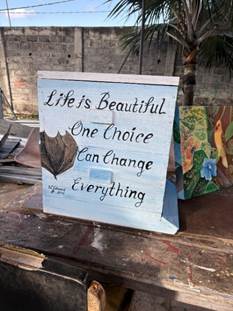
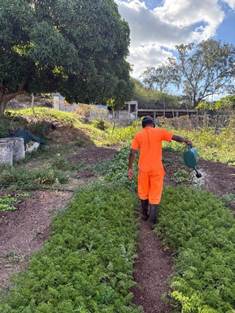
The visit also provided an opportunity to learn more about rehabilitation initiatives taking place within the prison. Staff described programmes that encourage detainees to develop practical skills through livestock rearing and food production activities aimed at fostering responsibility and self-sufficiency. One innovative initiative involves beekeeping training delivered in partnership with the NGO Care-Co Rodrigues. Selected detainees participate while also engaging in creative activities such as painting the beehives. By combining practical learning with artistic expression, the programme demonstrates the variety of ways rehabilitation can be approached in custodial settings. Discussions also highlighted some of the challenges of working within a small-island environment. Water shortages, for example, can limit agricultural activities and influence what rehabilitation programmes can realistically achieve.
Collaboration Beyond the Prison Gates
Beyond the prison, the team met representatives of the Rodrigues Regional Assembly, prison welfare staff, prison visitors and local community organisations. These discussions highlighted the importance of partnership working in supporting people during detention and after release. A particularly important theme was the role of community support in reducing reoffending and supporting reintegration. Participants discussed the contribution of families, faith-based organisations and NGOs, alongside opportunities to strengthen support networks beyond the prison gate. These conversations reinforced the idea that rehabilitation does not end when a sentence is completed.
Looking Forward
Our visit to Rodrigues highlighted the value of listening to the experiences of both prison staff and detainees while learning from the organisations working alongside the prison. It demonstrated how local innovation, community engagement and partnership working can support rehabilitation, even in environments with limited resources. Many of the themes that emerged, including staff wellbeing, reintegration and community support, reflect questions being explored across the wider PDMH programme while illustrating how imprisonment is shaped by local contexts. We are grateful to everyone who shared their time, experiences and expertise during the visit and look forward to sharing further findings as the project develops.
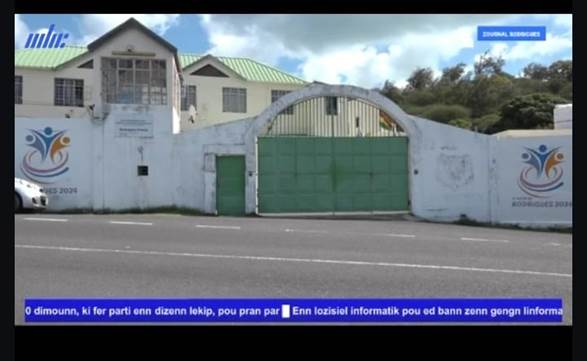
During the visit, the project was also featured in an interview with Mauritius Broadcasting Corporation Rodrigues, providing an opportunity to share the aims of the research and raise awareness of discussions around imprisonment, wellbeing and rehabilitation with a wider public audience.
Watch the interview here: https://www.mbc.mu/article/zournal-rodrigues-septembre-22-2026